
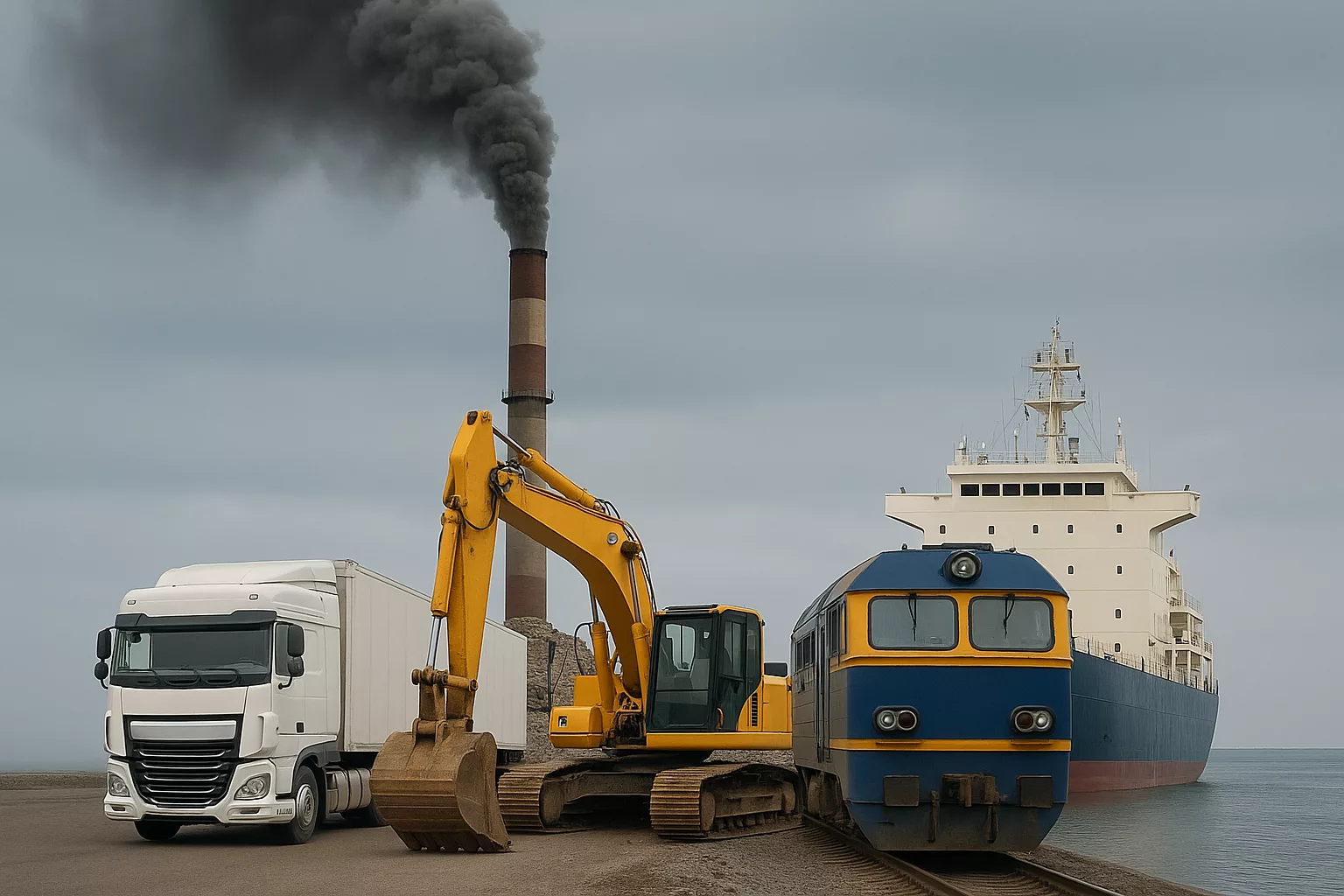
Reduce fleet fuel use without engine modification
Sirona helps fleet operators reduce fuel consumption across diesel, petrol, HVO, blends, plus gas basd systems. Suitable for multi-fuel engines, E-Clean’Fuel is fitted externally to existing fuel lines, with no fuel additives, no engine remap, and no change to fuel specification — then measured against real operating data.
Reduce one of your biggest controllable operating costs
Fuel is one of the highest recurring costs for haulage, logistics, waste, passenger transport, and heavy plant operators. Even modest improvements in fuel-use performance can become commercially meaningful when multiplied across vehicles, mileage, shifts, and operating hours.
E-Clean’Fuel is designed to support improved combustion efficiency across suitable vehicles, helping operators reduce the amount of fuel required to do the same work. Consumption savings range from 5-7%
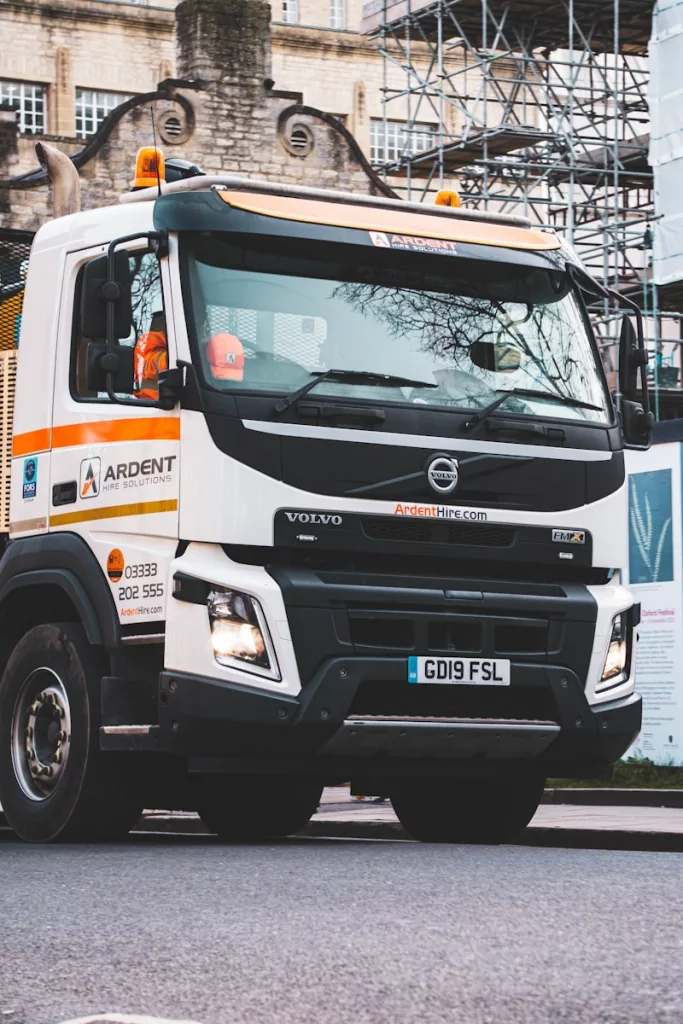
Lower fuel consumption
The main objective is simple: support lower fuel use across vehicles, HME, trains, marine, and different operating profiles.
Performance can be assessed through litres per 100km, MPG, fuel records, mileage, engine hours, and telematics, where available.
Fleet-wide savings potential
A small saving on one vehicle may look modest. Across a fleet, the impact can become much more significant — particularly where vehicles have high mileage, heavy-duty cycles, repeatable work patterns, or high idle time.
Scope 1 Emissions Reduction
Lower fuel consumption supports emissions reduction and ESG reporting, especially for fleets still relying on diesel, HVO, or mixed fuel strategies while planning a longer-term transition.
Improved combustion performance leads to reduced emissions from the flue, furthering scope 1 reductions
No engine remap. No fuel additives. No change to fuel specification.
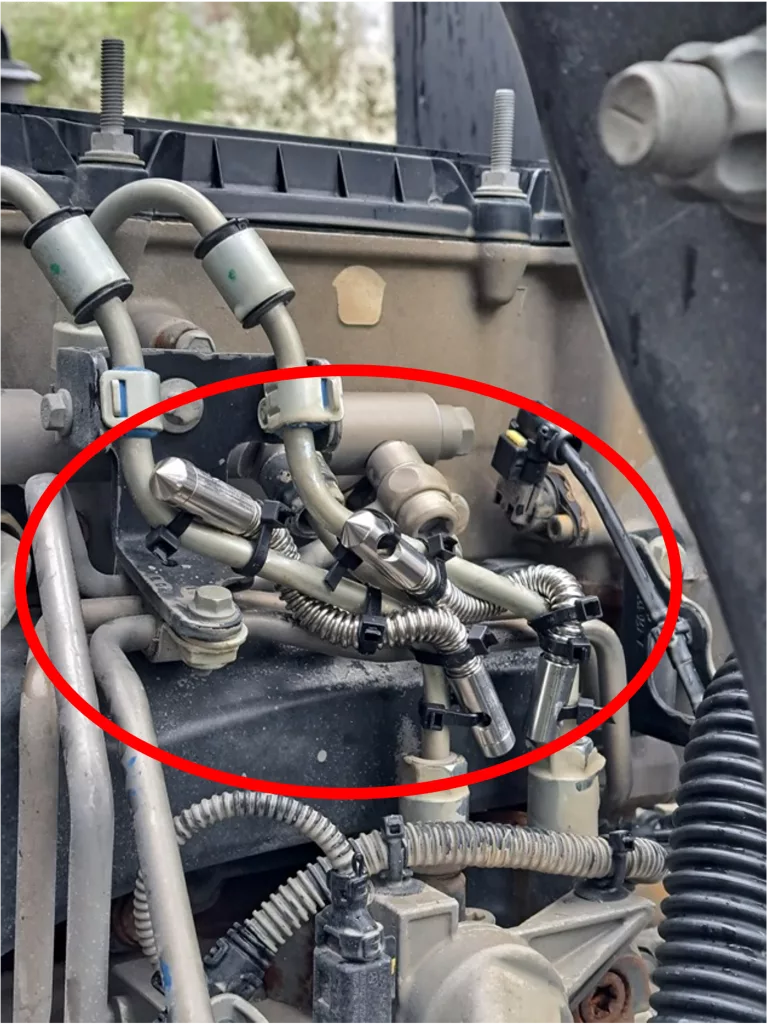
Fleet operators need technologies that can be assessed without disrupting vehicle operations, warranty discussions, driver routines or fuel procurement. E-Clean’Fuel is designed as an external installation on existing fuel lines, rather than a fuel additive or engine modification.
No engine modification
The system is fitted externally to the existing fuel line. It does not require engine remapping, changes to engine management software or changes to the way the vehicle is driven.
No additives or fuel treatment chemicals
E-Clean’Fuel does not add chemicals to the tank and does not change the fuel specification. This is important for operators using fuel cards, bulk tanks, diesel, HVO or mixed fuel arrangements
Suitable for measured pilots
Our technology can be trialled on selected vehicles before wider rollout, allowing operators to review results against their specific operating data before making fleet-wide decisions.
Compatible with mixed fuel reality
Fleet operators rarely have a single fuel challenge. Some are focused on reducing diesel consumption today, others are moving towards HVO, biogas or blended fuels, and many operate mixed fleets across different vehicle types, routes and duty cycles. E-Clean’Fuel is designed to support fuel-use performance without changing the fuel itself or disrupting the operator’s existing fuel strategy.
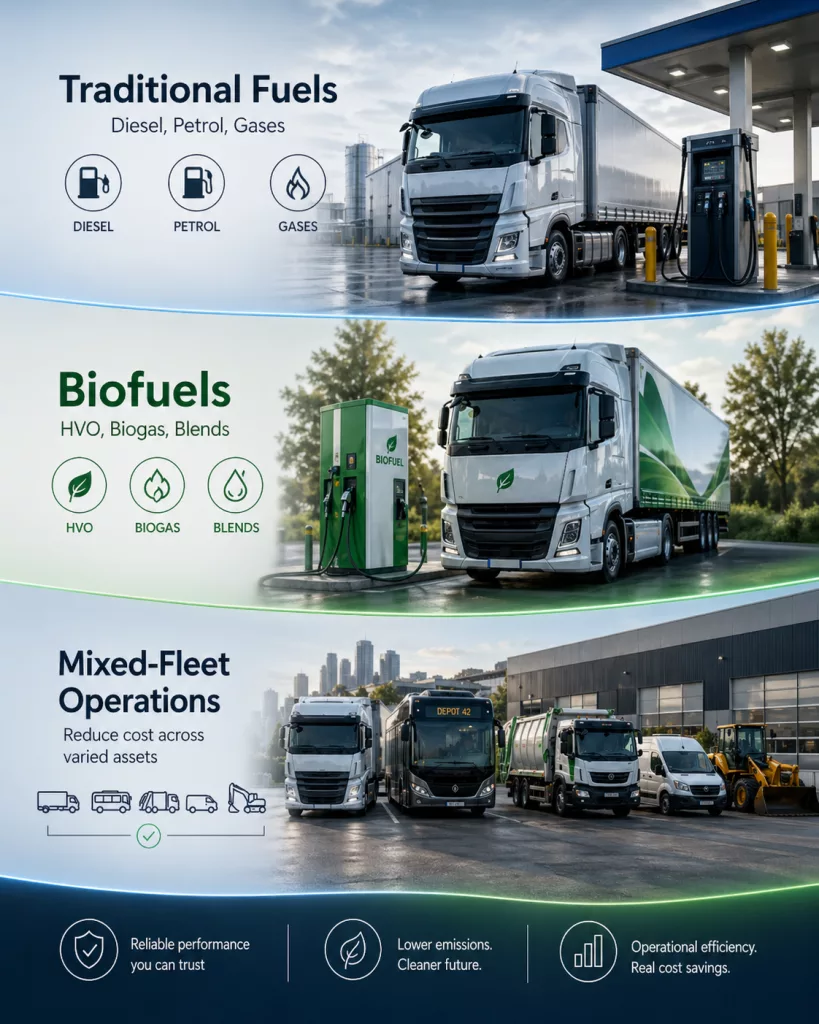
Traditional fuels: diesel, petrol and gases
For fleets still running on conventional fuels, the priority is usually straightforward: reduce consumption, operating cost and emissions from existing vehicles. E-Clean’Fuel can be assessed across suitable diesel, petrol, LPG, CNG or gas-fuelled applications where fuel use and operating profile can be measured clearly.
Biofuels: HVO, biogas and blends
Many operators are adopting HVO, biogas, biomethane or blended fuels to reduce carbon impact. These fuels still carry a cost, so improving fuel-use performance remains important — especially across high-mileage, high-consumption or heavily utilised assets.
Mixed-fuel fleets
Many operators run different fuels across different parts of the fleet, from diesel and HVO to gas, biogas or blended fuels. E-Clean’Fuel gives operators a consistent way to target fuel-use performance and operating cost across varied assets, without changing fuel specification or creating separate treatment regimes for each fuel type.
Prove performance with the data you already use
Fleet fuel savings only matter if they can be measured properly. Sirona recommends using existing fuel records, telematics and operating data to assess performance before and after installation, or against similar untreated vehicles where possible.
Fuel and mileage data
Useful indicators include litres per 100km, MPG, total fuel used, mileage, engine hours, refill data and fuel-card records.
Duty-cycle normalisation
A credible trial should consider route type, payload, idle time, driver behaviour, traffic, weather and job type, so results are compared as fairly as possible.
Pilot before rollout
A measured pilot helps identify where the technology is most suitable before rolling it out across similar vehicles, routes or operating profiles.
Our technology can be trialled on selected vehicles before wider rollout, allowing operators to review results against their specific operating data before making fleet-wide decisions.
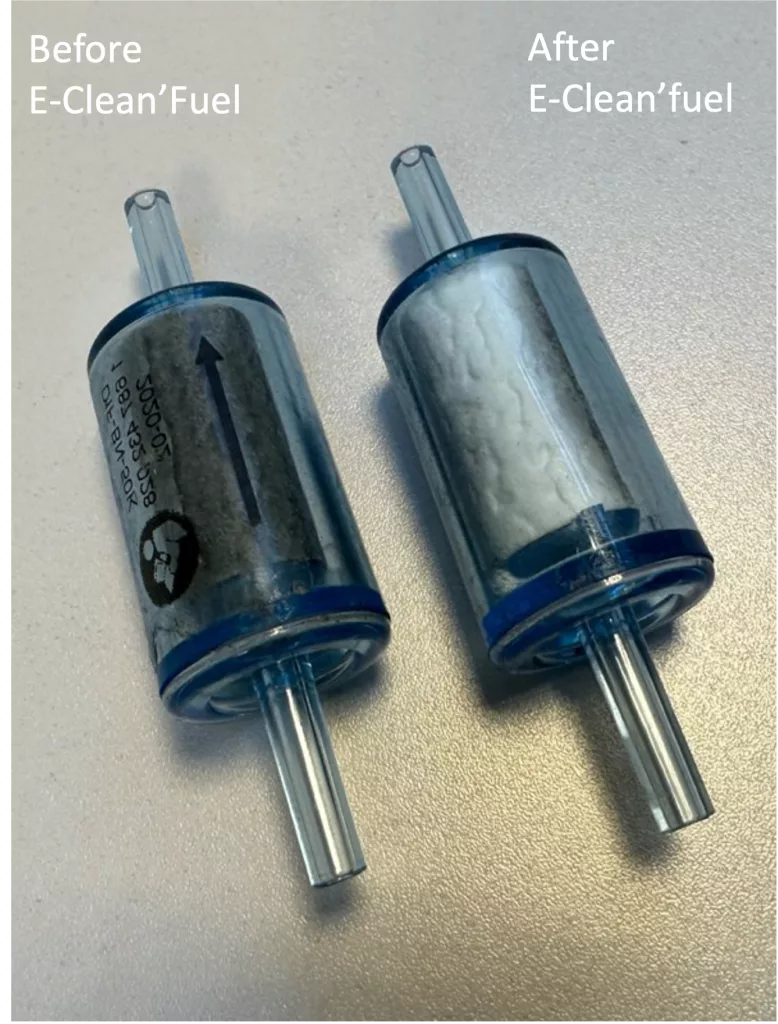
Where E-Clean’Fuel can be applied
The technology is most relevant where vehicles or equipment use enough fuel for measurable improvements to become commercially meaningful.
HGV and logistics fleets
For distribution, trunking, regional haulage, specialist haulage and high-mileage commercial vehicles.
Waste and recycling fleets
For refuse collection vehicles, skip vehicles, recycling fleets and stop-start urban duty cycles.
Buses and passenger transport
For bus, coach and shuttle operations where fuel performance can be tracked over defined routes or operating patterns.
Plant and off-road equipment
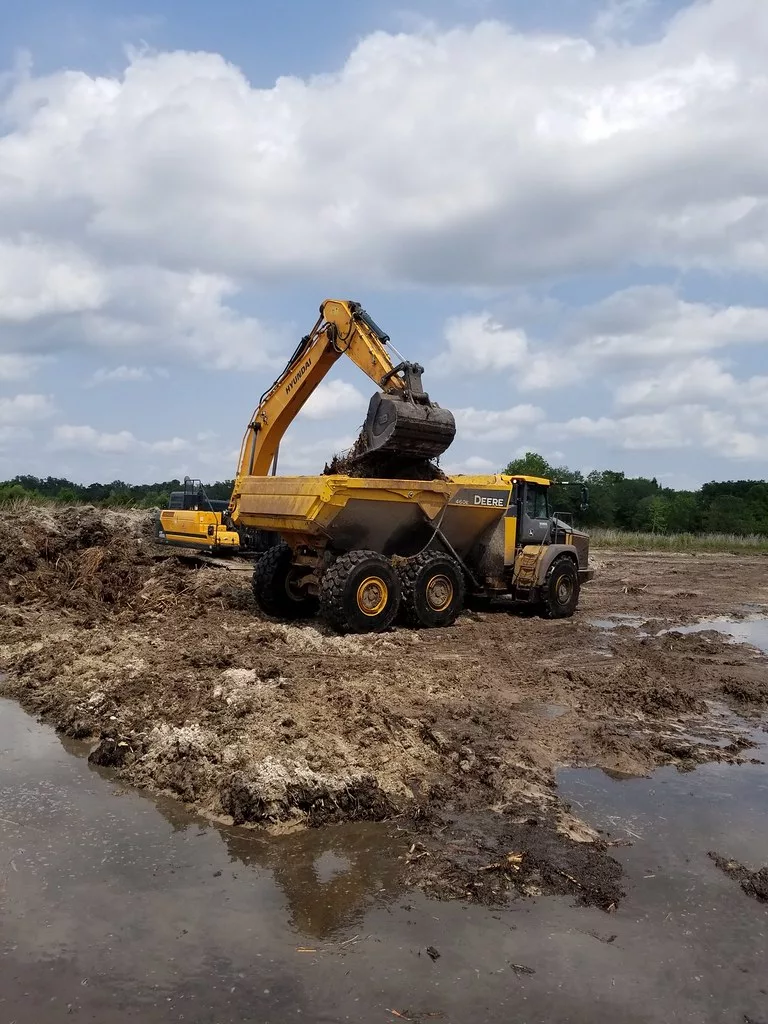
For construction plant, handling equipment, agricultural machinery, quarry vehicles and other high-fuel-use assets.
Ports, estates and specialist vehicles
For port vehicles, terminal tractors, site vehicles, MOD-style logistics, service fleets and heavy-duty operational assets.
Want to test it on your fleet?
Speak to Sirona about your fleet type, fuel use, available data and operating profile. We can help identify whether your vehicles are suitable for a measured fuel-performance trial.
Relevant Products