
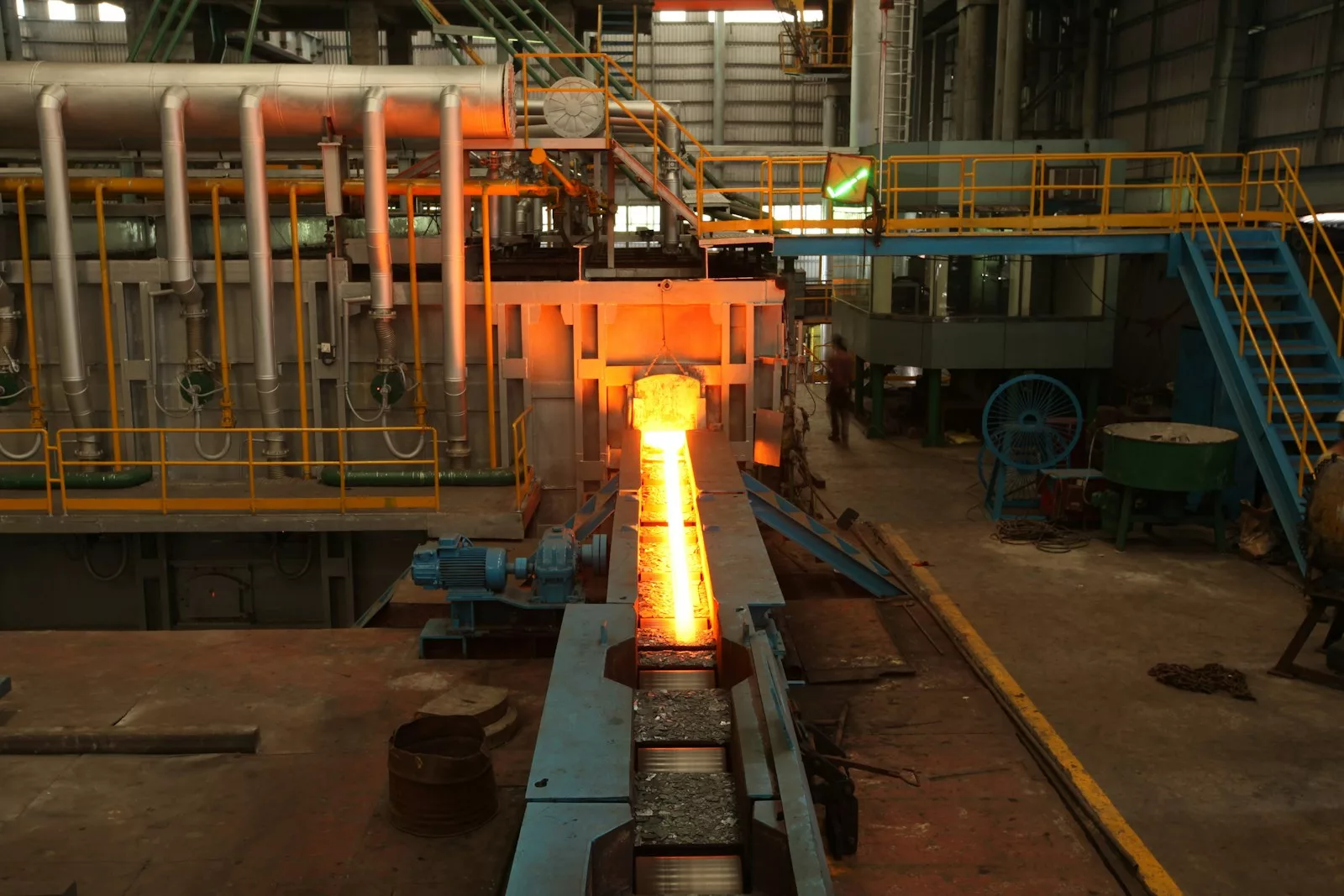
Improve combustion efficiency across existing fuel-fired assets
Sirona helps industrial and commercial operators reduce fuel use, improve thermal performance and cut combustion-related emissions across boilers, burners, furnaces, ovens, dryers, kilns, CHP, generators and other fuel-fired systems.
E-Clean’Fuel is fitted to existing fuel lines with no fuel additives, no change to fuel specification and no disruption to burner controls.
Reduce fuel use across high-consumption assets
Industrial heat is one of the most energy-intensive parts of many operations. Where boilers, burners, furnaces, ovens, dryers or kilns run for long hours, even modest improvements in combustion performance can become commercially meaningful.
E-Clean’Fuel is designed to support better fuel consumption performance by improving the conditions for combustion, helping suitable assets use less fuel to achieve the same output.
Lower fuel consumption
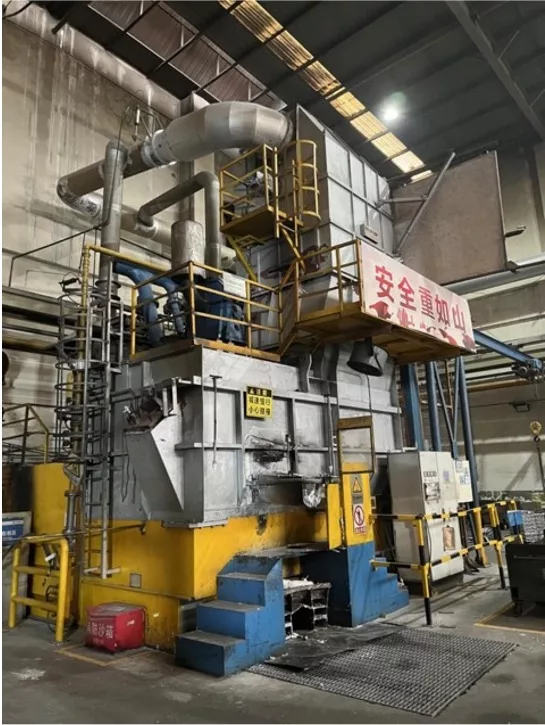
E-Clean’Fuel is designed to help fuel-fired assets produce the same useful heat with less fuel. Across suitable combustion applications, Sirona typically looks for 5–10% fuel reduction, with higher savings possible where baseline combustion, duty cycle and operating conditions allow.
Lower operating cost
Fuel is often one of the largest controllable costs on thermal assets. Reducing gas, oil, LPG, biogas, diesel or HVO consumption can create a direct commercial saving without replacing the boiler, burner, furnace, dryer, kiln or generator.
Improve thermal efficiency
When combustion performance improves, more of the fuel’s energy can be converted into useful heat for the process. This can help reduce wasted energy across steam generation, hot water, drying, curing, baking, firing and other heat-led operations.
Reduce emissions at the flue or exhaust
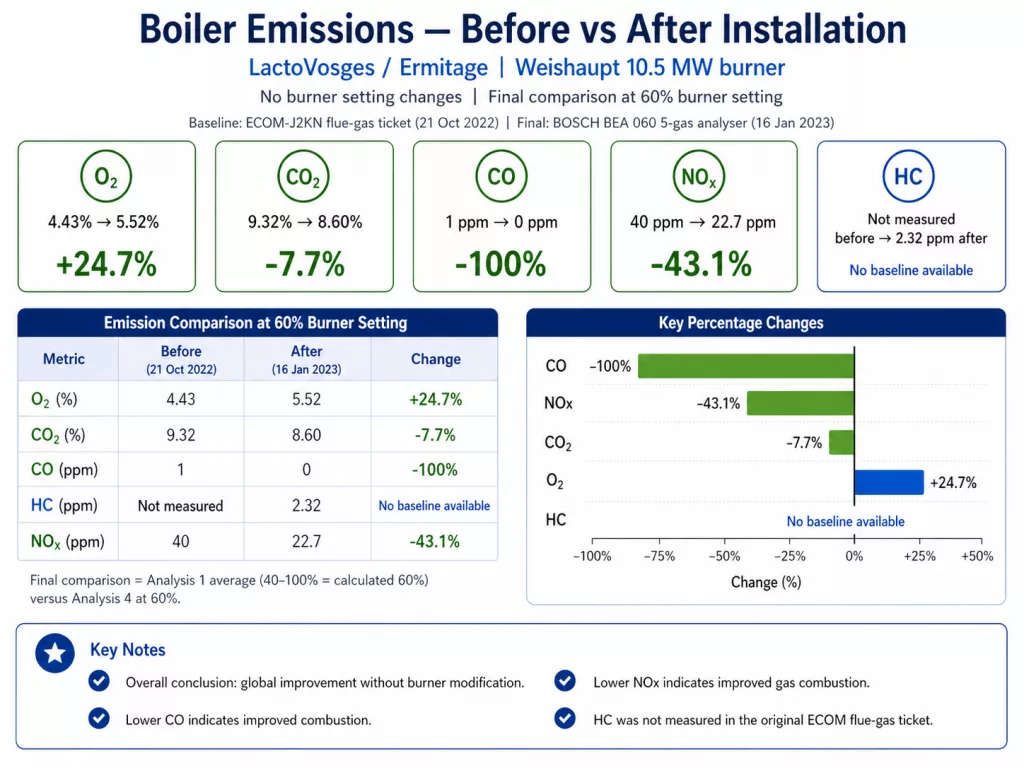
Fuel saving is only part of the story. Better combustion can also reduce pollutants measured at the flue or exhaust, particularly where the original combustion profile shows signs of incomplete burn, excess unburnt hydrocarbons, smoke, soot, CO or elevated NOx.
Across field emissions tests, E-Clean’Fuel has been associated with reductions in combustion pollutants such as CO, unburnt hydrocarbons, NOx and CO₂ across suitable applications. This gives energy, operations and sustainability teams a practical way to target both fuel consumption and combustion quality from existing assets.
Lower CO and unburnt hydrocarbons
CO and hydrocarbons are useful indicators of incomplete combustion. Where combustion improves, these pollutants can reduce, showing that more of the fuel is being converted into useful energy rather than leaving the system as unburnt or partially burnt material.
Lower NOx in suitable applications
NOx behaviour depends on fuel type, flame temperature, oxygen, burner settings and after-treatment systems. However, field data has shown NOx reductions in several suitable applications, including boiler and engine-based tests.
Lower CO₂ through fuel reduction and combustion improvement
Lower fuel use generally supports lower fuel-related CO₂ emissions. Emissions reductions have also been observed in exhaust or flue readings where combustion performance improved under comparable operating conditions.
Cleaner operation and lower maintenance pressure
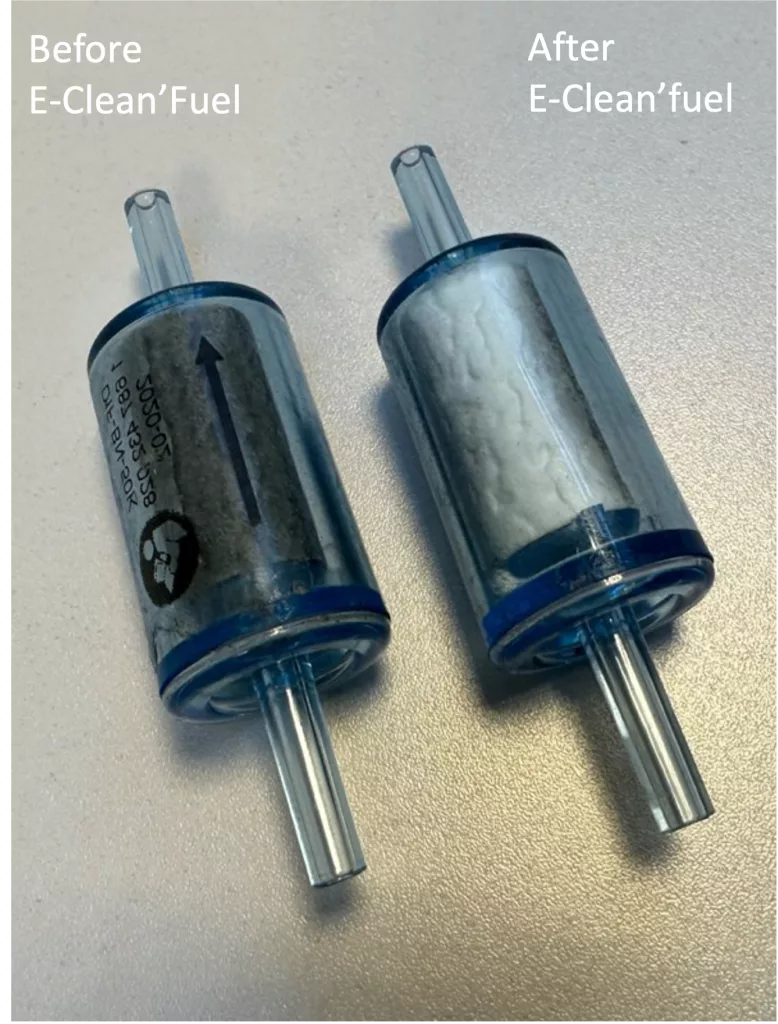
Improved combustion can create benefits beyond fuel savings and emissions. Where assets burn fuel more completely, sites may see cleaner operation, less smoke, lower soot formation and reduced combustion-related maintenance pressure.
Cleaner combustion conditions
Lower CO, hydrocarbons, smoke or soot can indicate that more of the fuel is being burnt effectively, rather than leaving the system as partially burnt or unburnt material.
Reduced maintenance burden
Cleaner combustion may help reduce soot-related cleaning, inspection and maintenance pressure across suitable boilers, burners, furnaces, generators, flues and exhaust systems.
Support asset performance and reliability
For sites running high-consumption thermal assets, improved combustion can support more stable operation, better heat delivery and lower operating pressure without replacing the asset.
Easy to install: No additives. No fuel change. No burner control changes.
Industrial sites need technologies that can be assessed without interfering with safety systems, burner management, OEM controls or fuel procurement. E-Clean’Fuel is designed as a non-powered fuel-line installation rather than a chemical additive or control-system modification.
No fuel additives
E-Clean’Fuel does not add anything to the fuel and does not change the fuel specification. This makes it suitable for sites using metered gas, bulk fuel, LPG, biogas, HVO, diesel or fuel oil in suitable applications.
No burner remap or control modification
The system is fitted externally to the fuel line and does not require changes to burner controls, safety systems or combustion management settings.
Low-disruption installation
Installation can usually be planned around existing access points and site requirements, making it suitable for controlled trials before wider rollout.
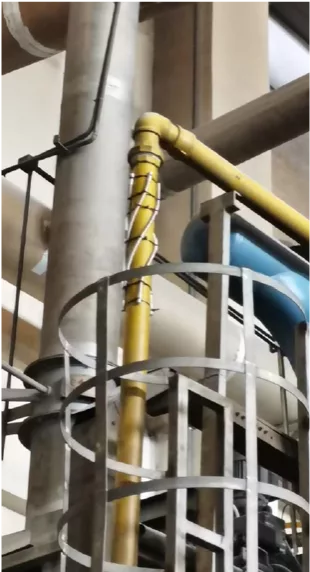
Designed for Fuel oils, gas, biogas and multi-fuel sites
Many industrial sites operate more than one fuel type across boilers, burners, furnaces, generators or backup systems. E-Clean’Fuel is designed to support fuel-use performance across combustion applications without changing the fuel itself.
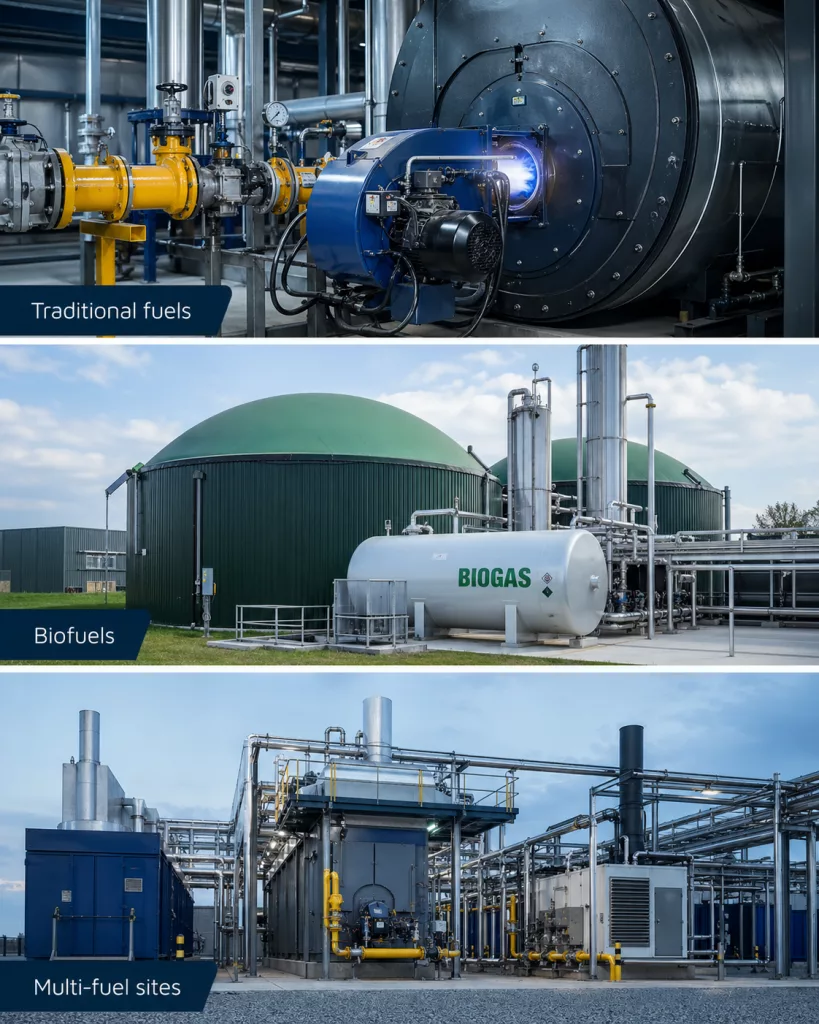
Traditional fuels: natural gas, LPG, diesel and fuel oil
For sites using gas, LPG, diesel or fuel oil, the focus is reducing fuel consumption, improving combustion quality and lowering emissions from existing thermal assets.
Biofuels and renewable fuels: HVO, biogas and biomethane
For sites using HVO, biogas, biomethane or blended fuels, E-Clean’Fuel can support fuel-use performance while helping operators maximise value from lower-carbon fuel strategies.
Multi-fuel sites
For operators using different fuels across boilers, burners, generators, CHP or backup systems, E-Clean’Fuel offers a consistent approach to targeting fuel-use performance and combustion quality without changing fuel specification.
Suitable industrial heat applications
E-Clean’Fuel is most relevant where fuel-fired assets use enough energy for measurable improvements to create a commercial case.
Boilers and steam systems
For gas, oil, LPG or biogas boilers where fuel use can be assessed against steam demand, hot water demand, operating hours or site output.
Burners, ovens and dryers
For food, textiles, coatings, packaging, manufacturing and process industries using direct or indirect heat.
Furnaces, kilns and thermal plant
For high-temperature processes where thermal energy intensity is a major cost and emissions driver.
CHP and generators
For gas engines, diesel generators, backup power and CHP systems where fuel input can be assessed against electrical and/or thermal output.
Multi-site estates and industrial groups
For operators with multiple similar assets, a measured pilot can support a rollout case across comparable boilers, burners or sites.
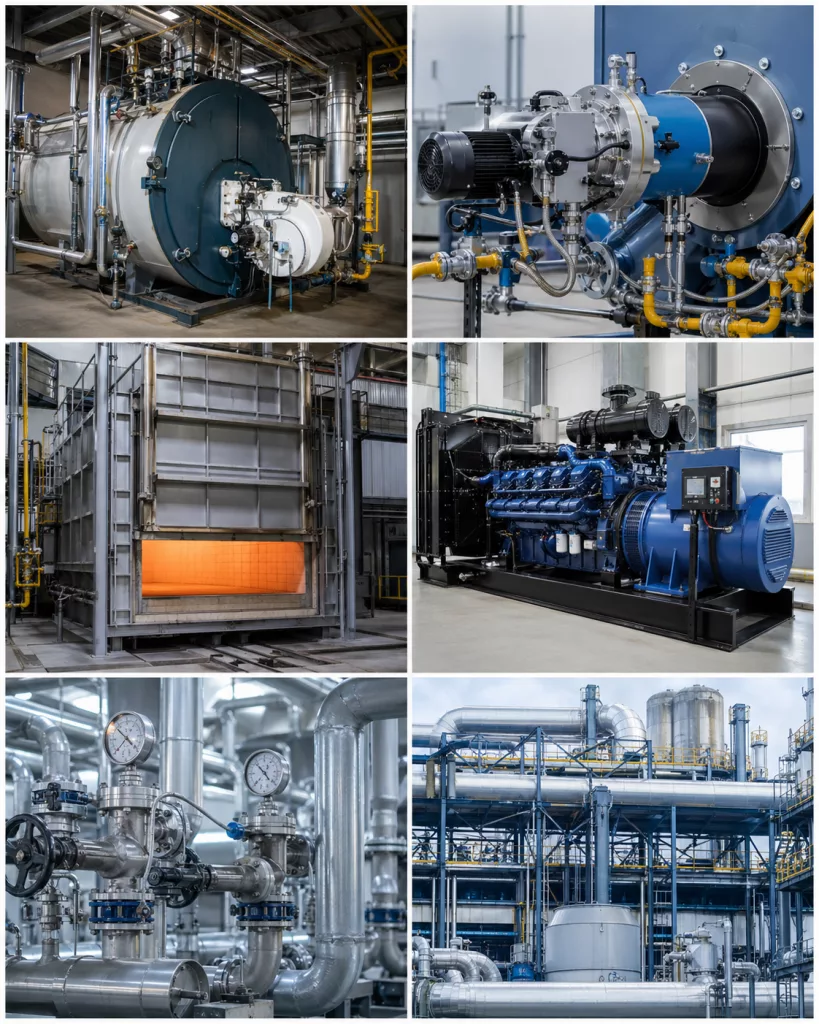
LiCA systems work Across the Energy Spectrum:
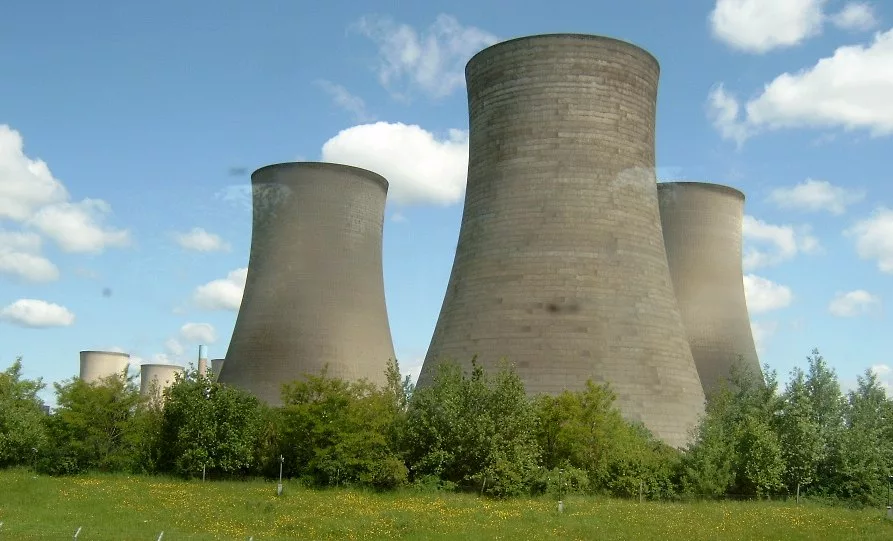
Power Plants
Efficiency and lower emissions in natural gas and fuel oil operations. Installing E-Clean’Fuel translates to lower fuel costs, cleaner electricity generation, and a competitive edge
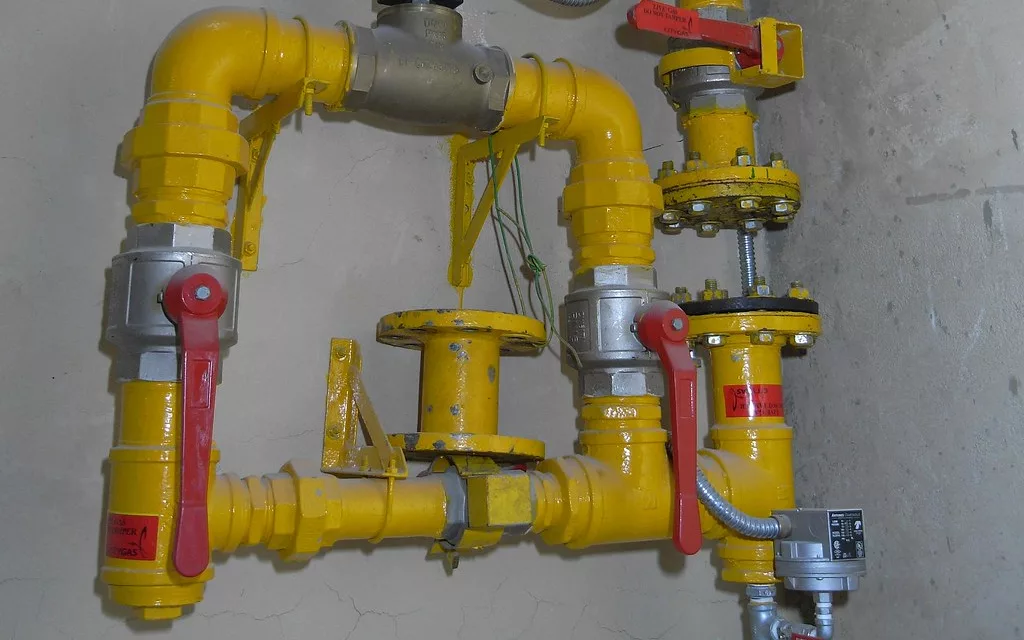
Industry
Maximise your industrial processes with optimised fuel usage in furnaces, boilers, and other thermal equipment. Experience cost savings, increased production capacity, and a commitment to environmental responsibility
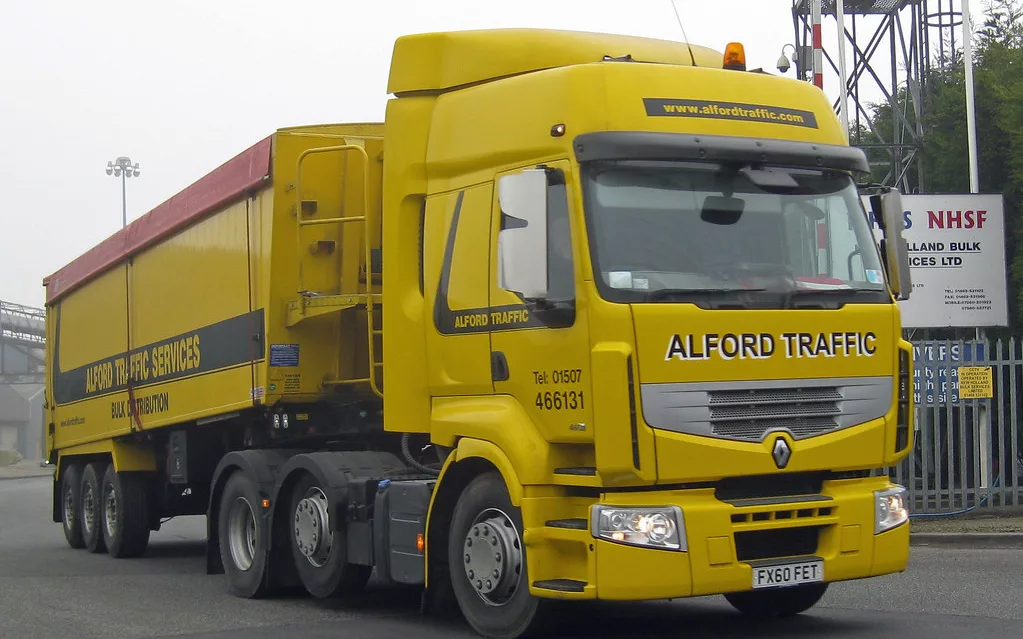
Transportation
E-Clean-Fuel delivers cleaner, more efficient power. Enjoy peace of mind and reliable, sustainable transport networks

Home
Minimise household energy consumption and emissions, reduce noise, and enjoy peace of mind knowing your home is powered responsibly
Want to assess a fuel-fired asset?
Speak to Sirona about your fuel type, asset, consumption data and operating profile. We can help identify whether your boiler, burner, furnace, generator or thermal process is suitable for a measured fuel-saving and emissions-reduction assessment.
Related Products:
E-Clean’Fuel: Fuel activation technology for combustion systems, including natural gas, LPG, biogas, diesel, HVO and suitable fuel oil applications.